PUNJAB FLLOD
Punjab Flood 2025 – Causes, Impact and Relief Efforts
Table of Contents
- Introduction
- Causes of the Flood
- Impact on People and Agriculture
- Relief Efforts and Government Response
- Steps for Prevention and Future Preparedness
Introduction
Punjab, the agricultural heartland of India, has recently been hit by severe flooding due to unusually heavy rainfall and overflowing rivers. The floods have caused widespread devastation across multiple districts, affecting thousands of families, agricultural lands, infrastructure, and livestock. The situation has become one of the worst floods in the region in recent years, and the government, along with several NGOs, has launched rescue and relief operations to support affected communities.
Causes of the Flood
The flood in Punjab has been primarily triggered by continuous rainfall over a short period, combined with the overflowing of major rivers such as the Sutlej and Beas. Poor drainage systems and encroachment along riverbanks worsened the situation. Additionally, deforestation and changing weather patterns due to climate change have intensified rainfall, contributing to the severity of the floods. Dam releases from upstream reservoirs further added to the water levels in affected areas.
Impact on People and Agriculture
The flood has displaced thousands of people from their homes, forcing them into temporary shelters. Many families have lost their homes, belongings, and daily necessities. The health risk has also increased due to stagnant water, which promotes waterborne diseases like cholera and diarrhea.
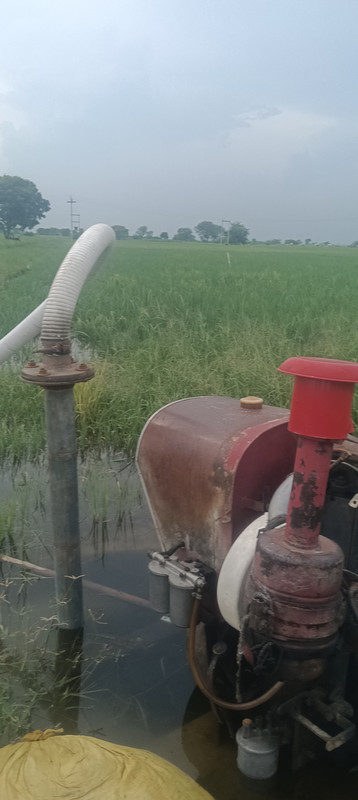
Agriculture, which is the backbone of Punjab's economy, has suffered enormous losses. Large stretches of wheat and rice fields have been submerged, resulting in crop destruction and loss of income for farmers. Livestock, including cattle and buffaloes, have been washed away or stranded in flood-affected areas. Irrigation channels and farm infrastructure have also been damaged, making recovery even more challenging.
Relief Efforts and Government Response
The government has deployed rescue teams and helicopters to evacuate people stranded in flood-hit areas. Emergency shelters have been set up in schools, community centers, and temples to provide temporary housing and food supplies. Medical teams have been dispatched to prevent the spread of diseases and provide immediate healthcare services.
NGOs and volunteers have been actively distributing essential supplies like food packets, clean drinking water, clothes, and medicines. Financial compensation schemes are being announced for affected families and farmers. Engineers and disaster management teams are working on repairing roads, bridges, and electricity networks to restore normalcy as quickly as possible.
Steps for Prevention and Future Preparedness
While floods are natural occurrences, their impact can be reduced through proper planning and management. Strengthening river embankments, improving drainage systems, and ensuring timely dam releases can help prevent sudden surges of water. Reforestation and water conservation programs must be promoted to maintain ecological balance.
Early warning systems and community-based disaster preparedness plans need to be enhanced. Training local volunteers and farmers in flood management techniques can improve resilience. Long-term infrastructure investments in roads, shelters, and irrigation networks will not only help in immediate relief but also ensure sustainable recovery.
Climate change mitigation efforts, including reducing pollution and promoting renewable energy, will play a crucial role in controlling extreme weather events like floods. The government and civil society must work together to ensure that Punjab can face future disasters with strength and preparedness.
The Punjab flood of 2025 has been a wake-up call for both the administration and the people. With coordinated efforts and proper planning, the state can overcome the devastation and build a safer and more resilient future for its citizens.